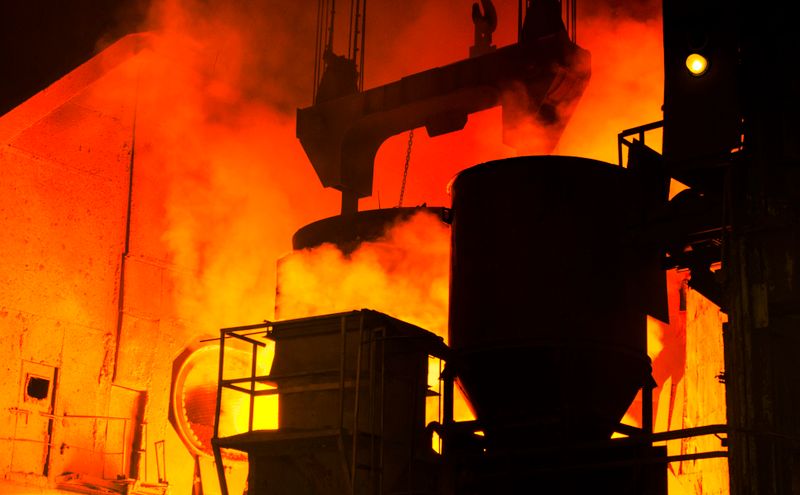
Global HFO prices have risen 34% in 18 months. Here is the full financial case for making the switch, with real numbers from our client installations.
The global energy market has seen unprecedented volatility in recent years. For Kenyan manufacturers, Heavy Fuel Oil (HFO) has been the traditional standard for industrial boilers and thermal processes. However, global HFO prices have surged 34% over the last 18 months. This sharp escalation, compounded by local currency depreciation, is severely impacting operational margins and making traditional fuel reliance unsustainable.
Breaking Down the Real Cost Gap
Biomass presents a stable, cost-effective alternative that directly addresses these margin pressures. Our data from over a dozen recent client installations across Kenya shows an average reduction in thermal energy costs of 40% to 60%. When you convert from HFO to premium biomass briquettes, you immediately lower the cost per tonne of steam produced. For a mid-sized manufacturing plant, this translates to tens of millions of shillings saved annually—capital that can be redirected into growth and innovation.
Moreover, locally sourced biomass briquettes decouple your operational costs from global oil shocks and forex fluctuations. Because biomass is produced domestically from agricultural waste (such as bagasse, sawdust, and coffee husks), it is priced in Kenya Shillings. This local currency anchoring eliminates the unpredictability of dollar-denominated fossil fuels, giving CFOs and procurement teams the pricing stability they need to accurately forecast production costs.
What a Boiler Conversion Actually Involves
Beyond the immediate cost savings, the environmental imperative is clear. The shift to renewable biomass aligns perfectly with Kenya's national sustainability goals and the global push toward net-zero manufacturing. Using agricultural waste for fuel is a carbon-neutral cycle, effectively eliminating Scope 1 emissions associated with fossil fuel combustion.
Securing a Reliable Biomass Supply in Kenya
More importantly, early adoption prepares facilities for upcoming compliance. As Kenya develops its voluntary carbon market under the Carbon Markets Bill, and with stricter environmental regulations anticipated in 2025, operating a zero-carbon boiler system will provide a distinct competitive and regulatory advantage. In 2025, switching from HFO to biomass is no longer just an environmental choice—it is a clear financial and operational necessity.
— David Mwangi, Energy Specialist, Lean Energy Solutions Kenya
David Mwangi
Energy Specialist, Lean Energy Solutions Kenya